According to a 1998 article in the New England Journal of Medicine, heart disease

starts in childhood.
Ages 16-20 (30% affected)
Ages 21-25 (50% affected)
Ages 26-39 (75% affected)
Cancer and Heart disease are not limited to older people any more! There is often 10-20 years of DNA damage that is done before cancer is even detected. A recent study (August 2007) reported in the
Journal of American Pediatrics said that
Metabolic Syndrome in children is a strong predictor of adult cardiovascular (heart) disease 25 years later.
1 in three women and 1 in 2 men will get cancer in their lifetime.
My mother had cancer in her 60's. That means it probably started when she was in her 30's or 40's. She got it again in another place when she was in her 70's!
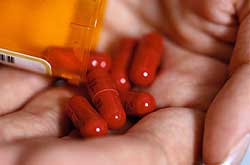
A new report shows the number of kids taking statin drugs shot up 68% in just 5 years.1
It’s great that younger people are focusing on heart health. And it’s certainly alarming that health problems related to heart disease are showing up at younger ages than ever before. But statin drugs aren’t the answer. As I’ve pointed out before, they pose serious health risks, including
Inability to concentrate
Depression
Confusion
Impotence
Amnesia
Lowered sex drive
Disorientation
Weakened immune system
Shortness of breath
Liver damage
Fatigue
Kidney failure
Nerve pain
Death
Muscle weakness
Rhabdomyolysis (painful bursting of muscle cells)
Study after study has demonstrated the potentially debilitating effects of statin drugs. They can produce confused states similar to Alzheimer’s disease. They may increase the risk of cancer death. And putting the blame on LDL cholesterol, they don’t even help solve the underlying problems that cause heart disease.
Cholesterol is the great red herring of mainstream medicine’s take on heart health. Despite twenty years of propaganda from the heart health industry, the fact is that LDL cholesterol levels are still a terribly poor predictor of whether or not you’re going to have a heart attack. It may surprise you to learn that 75% of heart attack victims have normal cholesterol levels.
And this is old news. The myth of cholesterol’s role in heart disease has been thoroughly debunked.
Debunking The Cholesterol Myth The Cholesterol Conspiracy

My advice is to forget about cholesterol and statin drugs and focus instead on the true indicators of heart health. Here’s what you should really be looking out for if you want to know whether you’re at risk:
Triglycerides
Insulin
Blood Pressure
Fasting Blood Glucose
Waist Size
Triglycerides are the kind of fat in your bloodstream that clogs your arteries. You can lower them safely and naturally by getting more omega-3 and vitamin D. Cod liver oil’s a great source of both. Lean meats, fish, and eggs are also rich in omega-3s. You can also get your vitamin D from supplements – 1,000 IEUs per day will do the trick.
Insulin is the hormone that regulates blood sugar levels. And high blood sugar levels lead to obesity, heart disease, and diabetes. If your insulin levels are high, you may be developing insulin resistance, the cause of diabetes.
Glycemic IndexDr David Ludwig of Boston's Children's Hospital has done several studies on overweight teenagers.
In one, he tested the idea that a high-GI breakfast makes people hungrier at lunch. A dozen obese boys were fed three different breakfasts, all with the same calories - a low-GI vegetable omelet and fruit, medium-GI oats or high-GI instant oatmeal.
At noon, they could eat as much as they wanted. Those who started the day with instant oatmeal wolfed down nearly twice as much as those getting the veggie omelet.
Ludwig says overweight people do not need to starve themselves. On a low-GI diet, they can eat enough to feel satisfied and still lose weight.
In a pilot study, he tested this on 14 overweight adolescents. They were put on two different regimens - a standard low-cal, low-fat, high-carb diet and a low-GI plan that let them eat all they wanted. After one year, the low-GI volunteers had dropped three kg of pure fat. The others had put on nearly two kg. Now he is repeating the study on 100 heavy teenagers.
Blood Pressure is another indicator of heart disease risk. You can easily lower it through exercise, diet, and supplements. Coenzyme Q10, potassium, calcium, magnesium, and vitamin C have all been shown to benefit people with high blood pressure. Garlic and cayenne pepper also contain natural ingredients that reduce hypertension.
 The old saying that laughter is the best medicine appears to be true when it comes to protecting your heart.






 My StumbleUpon Page