Showing posts with label Statin Drugs. Show all posts

Sunday, August 31, 2008

The Truth About Cholesterol


. . .
and Its Affect on Your Health

Cholesterol is a waxy, oily steroid compound which has received a lot of bad press in recent years – especially when it comes to cardiovascular degeneration. The truth states cholesterol is vital to the body's health and functioning.

Cholesterol is an essential component in cell membranes. It helps us to absorb fat-soluble vitamins (A,D,E, & K) and essential fatty acids. It is also involved in manufacturing key male and female sex hormones and steroidal hormones. These are crucial for a healthy immune system and a smooth running hormonal system.

Ironically, a significant percentage of coronary heart disease occurs in people with normal to low cholesterol. The problem behind heart disease isn't the cholesterol itself – but oxidized cholesterol.
Over the past decade researchers have recently begun to realize that
heart disease is actually the result of long-term, low-grade inflammation of our arteries. Numerous nutrients have been indicated by thousands of published studies to promote healthy cardiovascular function. There are four primary benefits that can be achieved by using nutrition to promote cardiovascular health:

1) Antioxidant nutrients that prevent cell oxidation of the LDL (bad) cholesterol. Cholesterol only becomes your enemy when the LDL faction is hit by a free radical and becomes oxidized. The following are nutrients that have been shown to act as antioxidants and protect the LDL cholesterol from oxidation:
  • Garlic (400 - 2,000 mg per day - odorless aged extract is superior)

  • Vitamin E (400 - 1,200 IU per day - a natural blend is up to 3 times for powerful)

  • Grape Seed Extract (50 - 200 mg per day)

  • Red Wine Extract (50 - 200 mg per day - use standardized 30% or greater polphenols)

  • Green Tea Extract (100 - 300 mg per day - use standardized 80% polyphenols/55% epigallocatechin)

  • CoEnzyme Q10 (60 - 120 mg per day)

2) Nutrients that promote healthy homocysteine levels. Over 500 studies have been published in the medical literature about the dangers of homocysteine. Elevated homocysteine is up to 5 times more deadly than elevated cholesterol. Vitamins B6, B12, Folic Acid promote healthy homocysteine levels.

The following are recommended nutrients and levels to promote healthy homocysteine levels:
  • Vitamin B6 (50 - 150 mg per day)
  • Vitamin B12 (500 - 2,000 mcg per day - Methylcobalamin form is far superior)
  • Folic Acid (400 - 1,000 IU per day)
3) Nutrients that promote healthy cholesterol levels and ratios. Cholesterol levels are not the best indicators of cardiovascular health, the ratio of HDL (good) versus LDL (bad) are far superior. A ratio of 4 or less is good with 3 being optimal.

The following nutrients are recommended to promote healthy cholesterol levels and ratios:
  • Fish Oil (1000-4000 mg per day of EPA & DHA)
  • Garlic (900 mg per day - odorless aged extract)
  • Tocotrienols (10-50 mg per day)
  • Fiber (20 - 30 grams per day from food and supplements)
  • Olive Polyphenols (5-10 Mg. per day)

4) Nutrients that promote strong and healthy blood vessels. Many people's diets do not supply enough Vitamin C and Bioflavonoids to promote healthy blood vessels. Vitamin C and Bioflavonoids are critical to collagen formation, the major connective protein that maintains and promotes strong blood vessels.

  • Vitamin C (500 - 2,000 mg per day)
  • Bioflavonoids (100 - 500 mg per day)
  • Gingko Biloba (50-100 mg. per day)
  • Phosphatidylserine (100-400 mg per day)

Sunday, August 10, 2008

Do Statins Make You Stupid?

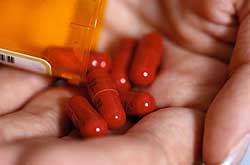
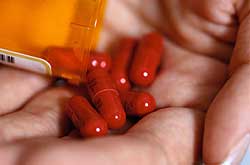
World-wide, some 25 million people take statins, including Zocor, Mevacor, Crestor, Pravachol and Vytorin to lower their cholesterol. Could they also be lowering their IQ at the same time?

In a recent Wall Street Journal article, Orli Etingin, vice chairman of medicine at New York Presbyterian Hospital and the director of the Iris Cantor Women's Health Center, declared that, "This drug makes women stupid." She told of a typical patient in her 40s, unable to concentrate or recall words. Tests found nothing amiss, but when the woman stopped taking Lipitor, the symptoms vanished. When she resumed taking Lipitor, they returned. I've seen this in maybe two dozen patients," Dr. Etingin said later, adding that they did better on other statins. "This is just observational, of course. We really need more studies, particularly on cognitive effects and women."

Researchers at the University of California at San Diego are nearing completion of a randomized controlled trial examining the effects of statins on thinking, mood, behavior, and quality of life. Separately, the UCSD researchers are collecting anecdotal experiences of patients, good and bad, on statins; memory problems are the second most common side effect, after muscle aches, in about 5,000 reports to date.

"We have some compelling cases," says Beatrice Golomb, the study's lead researcher. In one of them, a San Diego woman, Jane Brunzie, was so forgetful that her daughter was investigating Alzheimer's care for her and refused to let her babysit for her 9-year-old granddaughter. Then the mother stopped taking a statin. "Literally, within eight days, I was back to normal -- it was that dramatic," says Mrs. Brunzie, 69 years old.Doctors put her on different statins three more times. "They'd say, 'Here, try these samples.' Doctors don't want to give up on it," she says. "Within a few days of starting another one, I'd start losing my words again," says Mrs. Brunzie, who has gone back to volunteering at the local elementary school she loves and is trying to bring her cholesterol down with dietary changes instead."I feel very blessed -- I got about 99% of my memory back," she adds. "But I worry about people like me who are starting to lose their words who may think they have just normal aging and it may not be."


The brain is largely made of of cholesterol, much of it in the myelin sheaths
that insulate nerve cells and in the synapses that transmit nerve impulses. Lowering cholesterol could slow the connections that facilitate thought and memory. Statins may also lead to the formation of abnormal proteins seen in the brains of Alzheimer's patients.


The cognitive changes can affect men as well as women. But women on statins are often simultaneously losing estrogen due to menopause, which can also cause cognitive changes. "Women are getting hit with a double whammy," says Elizabeth Lee Vliet, a women's health physician in Tucson, Ariz., who has a background in neuroendochronology.


According to the "LDL hypothesis," lowering bad cholesterol prevents plaque buildup in the arteries. And that, in theory, reduces the risk of heart attack and stroke. Vytorin -- which combines Merck's Zocor, a statin, and Schering-Plough's Zetia, a new class of LDL-lowering medicine -- does lower bad cholesterol but has also been proven to thicken the plaque in the carotid arteries (in the neck) of patients more than in those who took Zocor alone -- apparently contradicting the "LDL hypothesis." A blocked carotid artery can lead to restricted blood flow to the brain and a stroke.


Another cholesterol lowering drug called, Torcetrapib (Pfizer) represented a new class of cholesterol medicine designed not only to lower LDL cholesterol but also to boost HDL, or "good" cholesterol. But the results of two large-scale studies linked torcetrapib to deaths and showed it failed to prevent the buildup of arterial plaque. Soon after, Pfizer abandoned the project.


Myth: High cholesterol Goes Hand In Hand With Heart Disease


In the Framingham heart study done near Boston that spanned 30 years , the researchers concluded that high cholesterol was a risk factor for heart
disease, but when one really dissects the data, one must question how they came to that conclusion. For example, when the participants of the study are plotted on a graph it clearly shows that those with cholesterol levels between 182 and 222 did not survive as long as those with higher cholesterol levels of between 222 and 261. The study shows that about half the people with heart disease had low cholesterol, and half the people without heart disease had high cholesterol.


Most studies have found that for women, high cholesterol is not a risk factor for heart disease at all - in fact, the death rate for women is five times higher in those with very low cholesterol. In a Canadian study that followed 5000 healthy middle-aged men for 12 years, they found that high cholesterol was not associated with heart disease at all. And in another study done at the University Hospital in Toronto that looked at cholesterol levels in 120 men that previously had heart attacks, they found that just as many men that had second heart attacks had low cholesterol levels as those that had high.
Why is it that over half the people who die of heart disease do not have high cholesterol? Could it be that cholesterol is not the main problem?

A personal note


My parents were taking Zocor for a number of years. At $60 per month, it was quite expensive. My mother died of Alzheimer's disease last year. My father has Parkinson's related dementia too. Before I took him off statins, my dad was experiencing muscle pain, numbness, memory loss,
muscle weakness and many other side effects listed on the Zocor label. Although they claim that these side effects are rare, I believe that they are just under reported. Read the article below on, Is Your Doctor in Denial?


Other Side Effects Of Statins


Talk to your physician about the side effects of statin drugs which might include:


Inability to concentrate
Depression
Confusion
Impotence
Amnesia
Lowered sex drive
Disorientation
Violent Behavior
Weakened immune system
Shortness of breath
Liver damage
Fatigue
Kidney failure
Nerve pain
Suicide
Death
Muscle weakness
Rhabdomyolysis (painful bursting of muscle cells)

Getting Less Of What You Need
Statins block the production of Co enzyme Q10 in your body. Why is that so dangerous? Coenzyme Q10 is very important for heart function, it acts as an antioxidant in conjunction with Vitamin E, and it is important in energy metabolism in the mitochondria of muscles, which is why muscle pain is a common side effect of statin drugs. Your heart is one of your biggest and most important muscles. If your heart is weakened by the lack of Co enzyme Q10, statins could actually cause you to have a heart attack. Co enzyme Q10 is important for healthy brain function as well, and when Co enzyme Q10 levels are low, through statin use or otherwise, memory is affected.
Lower Your Chance Of Heart Disease Naturally
Eskimos, who eat a traditional diet of almost pure saturated fat (whale and seal blubber) have almost a zero incidence of heart disease. Danes, on the other hand, eat a high fat diet but have a much higher occurrence of heart disease. What's the difference? Eskimos eat a high-fat, high-cholesterol diet but one rich in fish, especially those containing the omega-3 fatty acids EPA and docosahexaenoic acid (DHA). These fatty acids lower plasma of very low density lipoproteins (VLDL) and triglyceride (a type of fat in your blood) concentrations by depressing synthesis of triglycerides in the liver.

If you are not eating at least 3 meals a week that includes fatty, oily fish, you might want to consider taking some pharmaceutical-grade fish oil pills. These are more concentrated and purer than your regular grocery store brand. They are also less likely to give you the "fish burps" and you will have to take half as many pills because of the concentration.

Researchers at University Hospital in Basel Switzerland did a statistical analysis, called a “meta-analysis” of 97 double-blind, controlled studies, involving 137,140 people who received a heart-disease “intervention (statins, niacin, two other pharmaceutical drugs, diet or fish oil) and 138,976 who received a placebo. The remarkable findings: Fish oil reduced cardiac deaths by 32 percent; statins by 22 percent. Fish oil cut deaths from all causes by 23 percent; statins, by 13 percent. That means, say experts, that omega-3 fish oil was 45 per more effective than statins in preventing heart fatalities and 77 percent better at saving lives in general. (Marco Studer., Arch Intern Med 2005; 165:725-730)

Fish oil’s strong anti inflammatory activity is also a prime reason for its cardiovascular protection, say the Swiss scientists. Other reasons fish oil might beat statins: Omega-3s help regulate heart rhythms, preventing sudden cardiac deaths; thwart formation of blood clots; improve endothelial and vascular function, reduce triglycerides, lower blood pressure, and raise good HDL cholesterol. (Mori TA, Curr Atheroscler Rep 2004 Nov; 6(6): 461-7)

Fish oil has NONE of the side effects found with statins.

First Step Therapy

Doctors have always been encouraged by the medical community to help their patients to become heart healthy by prescribing healthy lifestyle changes like diet and exercise prior to beginning any medication at the early signs of these diseases. This is referred to as First-Step Therapy. Physicians have for the most part been very discouraged with the results of First-Step Therapy and have a tendency to simply write a prescription without offering their patients an opportunity to improve their clinical situation with healthy lifestyle changes. This is happening because physicians believe that their patients will simply not be able to make these lifestyle changes or even if they do, they will not be that effective. This attitude along with the tremendous amount of marketing by the pharmaceutical industry directly to the patient has led individuals to believe that their best option is to just begin taking medication. However, it is becoming more evident each and every day that there is also an inherit risk with taking any medication. In fact, adverse drug reactions to properly prescribed and properly administered medication are the FOURTH leading cause of death in this country. 

Saturday, December 29, 2007

HEART DISEASE STARTS IN CHILDHOOD

According to a 1998 article in the New England Journal of Medicine, heart disease starts in childhood.


Ages 16-20 (30% affected)

Ages 21-25 (50% affected)

Ages 26-39 (75% affected)


Cancer and Heart disease are not limited to older people any more! There is often 10-20 years of DNA damage that is done before cancer is even detected. A recent study (August 2007) reported in the Journal of American Pediatrics said that Metabolic Syndrome in children is a strong predictor of adult cardiovascular (heart) disease 25 years later.

1 in three women and 1 in 2 men will get cancer in their lifetime.

My mother had cancer in her 60's. That means it probably started when she was in her 30's or 40's. She got it again in another place when she was in her 70's!

A new report shows the number of kids taking statin drugs shot up 68% in just 5 years.1

It’s great that younger people are focusing on heart health. And it’s certainly alarming that health problems related to heart disease are showing up at younger ages than ever before. But statin drugs aren’t the answer. As I’ve pointed out before, they pose serious health risks, including

Inability to concentrate
Depression
Confusion
Impotence
Amnesia
Lowered sex drive
Disorientation
Weakened immune system
Shortness of breath
Liver damage
Fatigue
Kidney failure
Nerve pain
Death
Muscle weakness
Rhabdomyolysis (painful bursting of muscle cells)


Study after study has demonstrated the potentially debilitating effects of statin drugs. They can produce confused states similar to Alzheimer’s disease. They may increase the risk of cancer death. And putting the blame on LDL cholesterol, they don’t even help solve the underlying problems that cause heart disease.

Cholesterol is the great red herring of mainstream medicine’s take on heart health. Despite twenty years of propaganda from the heart health industry, the fact is that LDL cholesterol levels are still a terribly poor predictor of whether or not you’re going to have a heart attack. It may surprise you to learn that 75% of heart attack victims have normal cholesterol levels.

And this is old news. The myth of cholesterol’s role in heart disease has been thoroughly debunked.
Debunking The Cholesterol Myth
The Cholesterol Conspiracy


My advice is to forget about cholesterol and statin drugs and focus instead on the true indicators of heart health. Here’s what you should really be looking out for if you want to know whether you’re at risk:


Triglycerides
Insulin
Blood Pressure
Fasting Blood Glucose
Waist Size

Triglycerides are the kind of fat in your bloodstream that clogs your arteries. You can lower them safely and naturally by getting more omega-3 and vitamin D. Cod liver oil’s a great source of both. Lean meats, fish, and eggs are also rich in omega-3s. You can also get your vitamin D from supplements – 1,000 IEUs per day will do the trick.

Insulin is the hormone that regulates blood sugar levels. And high blood sugar levels lead to obesity, heart disease, and diabetes. If your insulin levels are high, you may be developing insulin resistance, the cause of diabetes.

Glycemic Index

Dr David Ludwig of Boston's Children's Hospital has done several studies on overweight teenagers.

In one, he tested the idea that a high-GI breakfast makes people hungrier at lunch. A dozen obese boys were fed three different breakfasts, all with the same calories - a low-GI vegetable omelet and fruit, medium-GI oats or high-GI instant oatmeal.

At noon, they could eat as much as they wanted. Those who started the day with instant oatmeal wolfed down nearly twice as much as those getting the veggie omelet.

Ludwig says overweight people do not need to starve themselves. On a low-GI diet, they can eat enough to feel satisfied and still lose weight.

In a pilot study, he tested this on 14 overweight adolescents. They were put on two different regimens - a standard low-cal, low-fat, high-carb diet and a low-GI plan that let them eat all they wanted. After one year, the low-GI volunteers had dropped three kg of pure fat. The others had put on nearly two kg. Now he is repeating the study on 100 heavy teenagers.


Blood Pressure is another indicator of heart disease risk. You can easily lower it through exercise, diet, and supplements. Coenzyme Q10, potassium, calcium, magnesium, and vitamin C have all been shown to benefit people with high blood pressure. Garlic and cayenne pepper also contain natural ingredients that reduce hypertension.

Wednesday, May 24, 2006

Omega-3 fatty acids reduce mortality risk more effectively than statin drugs


Omega-3 fatty acids reduce mortality risk more effectively than statin drugs
A review published in the April 11 2005 issue of Archives of Internal Medicine analyzed the effects of various lipid lowering regimens on overall mortality and mortality from coronary heart disease. Researchers reviewed 97 clinical trials that included 137,140 men and women receiving treatment and 138,976 control subjects. This analysis compared the mortality risk associated with diet, lipid lowering drugs, omega-3 fatty acids (commonly found in fish oils) and niacin. Statins (a class of lipid lowering drugs) and omega-3 fatty acids significantly lowered both overall and coronary heart disease mortality risk during the trial periods. When compared to controls, overall mortality risk was reduced 13 percent by statin drugs and 23 percent by omega-3 fatty acids. When the risk of mortality from heart disease alone was examined, the use of statin drugs and omega-3 fatty acids were found to lower the risk by 22 and 32 percent, respectively. Since omega-3 fatty acids did not reduce cholesterol levels significantly, researchers suggest that protection against heart arrhythmias, in addition to its anti-inflammatory properties may be responsible for the reduction in mortality risk.

The Cholesterol Conspiracy

If you tell a lie often enough, it soon becomes accepted as truth. In 1991 Professor Edward R. Pickney, M.D., (former editor of the Journal of the American Medical Association) and Doctor Russell L. Smith, PhD.D., produced a book entitled The Cholesterol Conspiracy. In it, he says, "Hitler did it. He was not the first but he did it quite successfully. 'It' being the big lie. What is even worse, the big lie about cholesterol may well kill millions of people . . "

As I watch TV, the airwaves seem to be filled with advertisements for drugs like
Lipitor, Crestor, Pravachol, Zocor or Mevacor. These are a class of drugs that are intended to lower the bad (LDL) cholesterol in our blood. The theory being that high cholesterol causes heart disease and heart attacks. Drug ads are really funny. They show a beautiful young couple skipping through a field of flowers without a care in the world. The implication is that by taking their drug, you could look like this too. So . . . You go to your doctor and ask him if "xyz" drug would be good for you. What is he supposed to say? No? So of course he gives you the prescription you ask for and you are off to skip in the flowers. After all, he does not want to lose you as a patient. And we all lived happily ever after. Click here to access a very amusing (but serious) video concerning drug safety.

Baycol (cerivastatin) was marketed a few years ago as a "super-statin." They claimed that it was able to lower LDL cholesterol more than any other drug. Unfortunately, there were not enough human tests done on the drug and many people were severely injured and/or died. It was removed from the market in 2001. The newest statin, Crestor (rosuvastatin) has been marketed as a "super-statin" because AstraZeneca claims it reduces LDL cholesterol to a greater degree than the other approved statin drugs. Like Baycol, Crestor has a number of disturbing side effects:

  • Abdominal Pain
  • Arrhythmia
  • Asthenia
  • Myalgia
  • Myopathy
  • Pancreatitis
  • Rhabdomyolysis
  • Kidney Failure/Dialysis
  • Hospitalization
  • Death

Other statin drugs have a similar list of side effects. If you take a statin drug, you should contact your doctor immediately if you experience unexplained muscle pain, tenderness, or weakness, especially if accompanied by a fever or flulike symptoms or yellowing of the skin or eyes, abdominal pain, unexplained fatigue, dark colored urine or pale colored stools. These may be early symptoms of muscle or liver problems from taking a statin drug.

One of the most disturbing side effects (besides death) is muscle pain and weakness, a condition called rhabdomyolysis, most likely due to the depletion of Co-Q10, a nutrient that supports muscle function. Dr. Beatrice Golomb of San Diego, California is currently conducting a series of studies on statin side effects. The industry insists that only 2-3 percent of patients get muscle aches and cramps but in one study, Golomb found that 98 percent of patients taking Lipitor and one-third of the patients taking Mevachor (a lower-dose statin) suffered from muscle problems.

The test for muscle wasting or rhabdomyolysis is elevated levels of a chemical called creatine kinase (CK). But many people experience pain and fatigue even though they have normal CK levels.

Tahoe City resident Doug Peterson developed slurred speech, balance problems and severe fatigue after three years on Lipitor. —For two and a half years, he had no side effects at all. It began with restless sleep patterns, —twitching and flailing his arms. Loss of balance followed and the beginning of what Doug calls the "statin shuffle"—a slow, wobbly walk across the room. Fine motor skills suffered next. It took him five minutes to write four words, much of which was illegible. Cognitive function also declined. It was hard to convince his doctors that Lipitor could be the culprit, but when he finally stopped taking it, his coordination and memory improved.

John Altrocchi took Mevacor for three years without side effects; then he developed calf pain so severe he could hardly walk. He also experienced episodes of temporary memory loss.

For some, however, muscle problems show up shortly after treatment begins. Ed Ontiveros began having muscle problems within 30 days of taking Lipitor. He fell in the bathroom and had trouble getting up. The weakness subsided when he went off Lipitor.

In another case, reported in the medical journal Heart, a patient developed rhabdomyolysis after a single dose of a statin. Heel pain from plantar fascitis (heel spurs) is another common complaint among those taking statin drugs. One correspondent reported the onset of pain in the feet shortly after beginning statin treatment. She had visited an evangelist, requesting that he pray for her sore feet. He enquired whether she was taking Lipitor. When she said yes, he told her that his feet had also hurt when he took Lipitor. treatment.

Active people are much more likely to develop problems from statin use than those who are sedentary. In a study carried out in Austria, only six out of 22 athletes with familial hypercholesterolemia were able to endure statin treatment. The others discontinued treatment because of muscle pain.
By the way, other cholesterol-lowering agents besides
statin drugs can cause joint pain and muscle weakness.

A report in Southern Medical Journal described muscle pains and weakness in a man who took Chinese red rice, an herbal preparation that lowers cholesterol. Anyone suffering from myopathy, fibromyalgia, coordination problems and fatigue needs to look at low cholesterol plus Co-Q10 deficiency as a possible cause.

So what is rhabdomyolysis any way? It is the breakdown of muscle fibers resulting in the release of muscle fiber contents into the blood circulation, which can be toxic to the kidneys and can result in myoglobinuria and kidney damage.

Myoglobin is a damaging oxygen-binding protein pigment found in the skeletal muscle. When the skeletal muscle is damaged, myoglobin is released into the bloodstream. It is filtered out of the bloodstream by the kidneys. Myoglobin breaks down into potentially toxic compounds causing kidney failure.

Here are a few questions to consider.

  • If statin drugs cause the breakdown of muscle fiber (including the heart muscle) and a depletion of Coenzyme Q-10 (a nutrient that supports muscle function), could they actually CAUSE you to have a heart attack?
  • If the liver is responsible for regulating up to 80% of my cholesterol levels, why would I want to take statin drugs for lowering cholesterol considering that the number one known side effect of statin drugs is liver damage?
  • If cholesterol is the main culprit in heart disease, why don't veins ever get narrowed and blocked?
  • If high cholesterol foods are responsible for raising cholesterol levels, then why do people on the high-cholesterol Atkins Diet experience such a significant drop in cholesterol levels?
  • Why do Eskimos who eat a traditional diet of almost pure saturated fat (whale and seal blubber) have almost a zero incidence of heart disease?

Dr. Mike Gordon puts it this way:
If a person were healthy, would he/she need drugs to maintain this health? Did nature/God make bodies that were short on chemicals and long on organs? You certainly get this impression from the advertising and most MD's. I submit that the real issue is unhealthy daily habits that are allowed to continue by default when you take drugs to suppress the symptoms of this unhealth. Medicine was intended to be short term, if at all, until you were able to raise your level of health to no longer "need" the drug. Profits have since intervened. We are now told or it is implied that this or that drug is necessary for the rest of our life. This goes against all logic. What other live thing on the planet requires drugs to survive? This argument is made all the more obvious when you see the information I have included below. I would like to offer a few more stats for everyone to consider: "Total number of deaths caused by conventional medicine is an astounding 783,936 per year. It is now evident that the American medical system is the leading cause of death and injury in the US. (By contrast, the number of deaths attributable to heart disease in 2001 was 699,697, while the number of deaths attributable to cancer was 553,251" These stats are from Life Extension Magazine March 04. Article DEATH BY MEDICINE You and I are responsible for being healthy. It comes from healthy choices each day, not in a bottle. Dr. Mike Gordon

Check out some surprising information about Statin drugs:

Dangers of Statin Drugs: What You Haven’t Been Told About Popular Cholesterol-Lowering Medicines

Can Your Cholesterol Be Too Low?

Cholesterol is NOT the Cause of Heart Disease

Debunking The Cholesterol Myth

The Benefits Of High Cholesterol


Cholesterol—How Low Should You Go?


Statin drug side effects

Stopped Our Statins
Side Effects, Resources, General Info
Home

Cholesterol Conspiracy Blog by Ladd McNamara


StatinAlert.org - There are two sides to every story; discover some of the less publicized facts about cholesterol-lowering drugs


Diet comparable to statin drugs in lowering LDL cholesterol

Statins are a class of drugs commonly prescribed to treat elevated cholesterol levels, a risk factor for cardiovascular disease. A new study published in the Feb 2005 American Journal of Clinical Nutrition has found that the regular intake of certain foods may lower cholesterol as effectively as statin drugs. The participants, who each had elevated cholesterol levels, underwent three separate one-month dietary treatments assigned randomly: a very-low saturated fat diet (control diet), the control diet plus 20 mg lovastatin (statin diet), and a diet high in vegetables, soy protein foods, almonds, high- fiber foods (oats, barley, psyllium, okra and eggplant), and fats derived from plant sterols and stanols (portfolio diet). The Portfolio diet and statin diet had similar results. The portfolio diet reduced LDL cholesterol by 30%, the statin diet by 33%, and the control diet by 9%. Twenty-six percent achieved their lowest LDL cholesterol levels on the portfolio diet. Dietary combinations of cholesterol lowering foods may have an effect similar to statin drugs in reducing mild-to-moderate LDL cholesterol levels and achieving goals for primary prevention of heart disease.
Physicians have for the most part been very discouraged with the results of First-Step Therapy and have a tendency to simply write a prescription without offering their patients an opportunity to improve their clinical situation with healthy lifestyle changes. This is happening because physicians believe that their patients will simply not be able to make these lifestyle changes or even if they do, they will not be that effective. This attitude along with the tremendous amount of marketing by the pharmaceutical industry directly to the patient has led individuals to believe that their best option is to just begin taking medication. However, it is becoming more evident each and every day that there is also an inherit risk with taking any medication. In fact, adverse drug reactions to properly prescribed and properly administered medication are the FOURTH leading cause of death in this country.

Talk to your physician about the side effects of statin drugs which might include:

Inability to concentrate
Depression
Confusion
Impotence
Amnesia
Lowered sex drive
Disorientation
Weakened immune system
Shortness of breath
Liver damage
Fatigue
Kidney failure
Nerve pain
Death
Muscle weakness
Rhabdomyolysis (painful bursting of muscle cells)

Explain your concern about these kinds of side effects and educate yourself about the Cholesterol Myth. Click on (and read) my post on the Cholesterol Conspiracy to learn why statin drugs are not the best answer for dealing with heart disease.
Cholesterol MythCholesterol Conspiracy

The Healthy for Life Program is an effective, internet based lifestyle program that has been shown in clinical trials to significantly lower your cholesterol, lower your blood pressure, prevent diabetes, reverse pre-clinical diabetes, and decrease your risk of heart disease. What is even more exciting is the fact that there was also a significant weight loss in those participants that needed to lose weight. That's right. These are healthy lifestyles that simply have a side effect of permanent weight loss. Participants from all over the country are joining the Healthy for Life Program as a way to protect their health or even regain their health as they decrease their dependence on medication and begin releasing fat. I encourage you to take a closer look at this exciting new program by clicking on to the link below:

Healthy For Life Program

In a 12 week clinical study, people on the Healthy For Life program significantly lowered their cholesterol.
Total cholesterol dropped from an average of 206 mg/dL (Baseline) to 176 mg/dL (Final). Most of this decline resulted from a drop in LDL cholesterol from an average of 134 mg/dL (Baseline) to 111 mg/dL (Final).

 Pass this by your doctor as an alternative to cholesterol lowering drugs and have him monitor the results. I'm sure you will both be pleased with the outcome.

P.S. No nasty side effects